
Spotting Benzodiazepine Risks Before They Turn Deadly
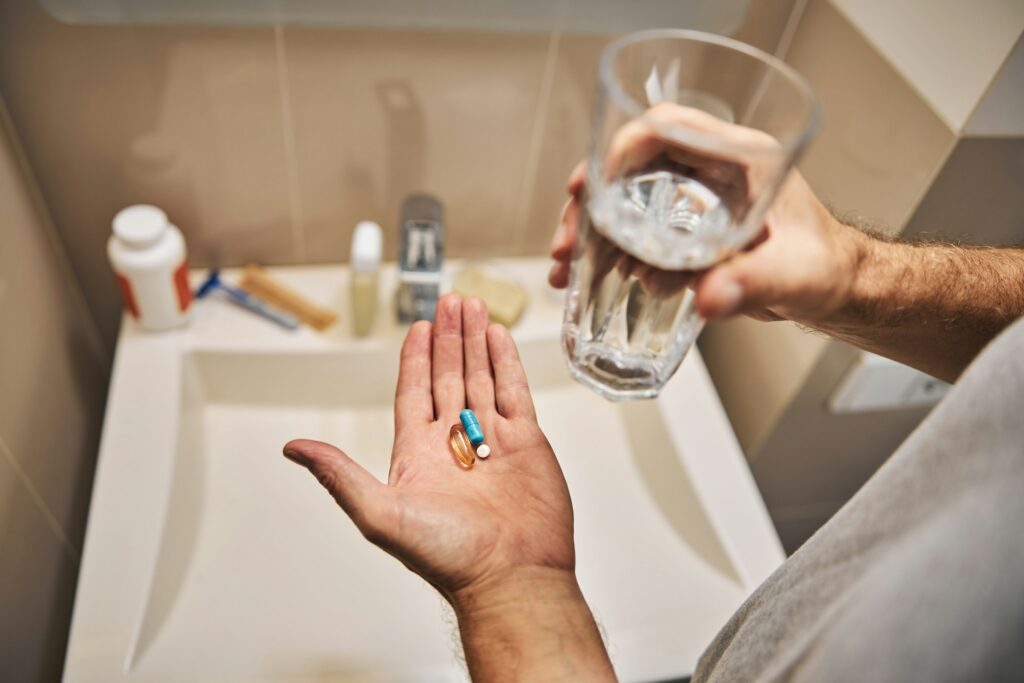
Benzodiazepines are medications like Xanax, Klonopin, Ativan, and Valium. They are often given for anxiety, panic, or trouble sleeping. They can be helpful when used short term under a doctor’s care, but dependence can sneak up slowly, even when someone starts by taking them exactly as prescribed.
Detox is often the first safe step before any kind of rehab or counseling. For people who have used benzodiazepines for a long time or at higher doses, quitting suddenly can be dangerous. That is why medical detox comes before deeper treatment, not after. It helps the body settle and keeps withdrawal as safe and steady as possible.
Across Pennsylvania, more people are being given benzodiazepines. At the same time, many are also drinking alcohol or taking opioid pain pills. Mixing these substances can slow breathing and raise the risk of overdose. Learning how to spot the need for benzodiazepine detox in Pennsylvania before a crisis happens can save a life.
How Benzodiazepine Dependence Quietly Develops
Benzodiazepines work by calming the brain and nervous system. Over time, the brain gets used to that calm feeling. It may stop working as hard on its own. This is how tolerance begins, which means the same dose does not feel like it used to.
Common ways this happens include:
- Treatment for ongoing anxiety or panic
- Medication to help with sleep that never got tapered as planned
- Prescriptions after surgery or a major life event that simply continued
At first, a person might take the medication only when needed. After a while, they may notice they are taking it every day. Then, maybe more than once a day. It can be easy to tell yourself, “My doctor gave it to me, so it is fine,” even when patterns start to change.
Warning signs that use is no longer truly “as needed” include:
- Taking extra pills on stressful days
- Running out of prescriptions early and asking for refills ahead of schedule
- Going to different doctors or urgent care centers for more pills
- Hiding bottles, refills, or how often pills are taken from family or friends
When these signs show up, dependence is usually already in place, even if the person still feels “functional” at work or school.
Red Flags That Signal You Need Medical Detox
Benzodiazepine withdrawal can be very uncomfortable and, for some people, risky. The brain has gotten used to the drug’s calming effect. When the drug is lowered too fast, the brain can swing the other way and become overactive. That is why medical detox is so important.
Common warning signs that a person may need benzodiazepine detox in Pennsylvania include:
- Growing anxiety or panic when a dose is late or missed
- Shaky hands, sweating, or body tension
- Trouble falling or staying asleep, even when very tired
- Memory problems or feeling mentally “foggy”
- Irritability, anger, or mood swings that feel out of character
Some red flags are more urgent and point to the need for medical care as soon as possible:
- Past seizures, whether from benzodiazepines, alcohol, or another cause
- Heavy or long-term alcohol use along with benzodiazepines
- Mixing benzodiazepines with opioids, even when both are prescribed
- Prior withdrawals that included confusion, hallucinations, or severe agitation
Trying to quit “cold turkey” at home is not safe. Even rapid tapering without medical guidance can cause medical emergencies. Stressful times, like the start of a new school year, changes at work, or pressure from family, can make this even harder. When stress is high, the urge to take “just one more pill” can be very strong, and that is often when accidents happen.
What Safe Benzodiazepine Detox in Pennsylvania Looks Like
A supervised benzodiazepine detox is designed to lower the drug in the body slowly and safely. It is not about punishment; it is about protection. Each person’s detox plan is different, based on their health and history.
A safe medical detox usually includes:
- A full medical evaluation and review of all medications and substances
- A slow, steady tapering plan instead of a sudden stop
- Monitoring for seizures, blood pressure changes, and other health issues
- Comfort medications when they are medically appropriate
- Support for sleep, nutrition, and hydration
In Pennsylvania, many detox programs know how local hospitals, doctors, and mental health providers work together. This helps keep care connected instead of scattered. For people with jobs, school, or kids, staff can often help plan around those responsibilities, especially during late summer and back-to-school season when schedules are shifting.
At Pennsylvania Recovery Center, we coordinate detox and rehab calls so the move from one level of care to the next is as smooth as possible. That way, when someone finishes medical detox, they already have a clear plan for ongoing treatment instead of going home with no support.
Transitioning From Detox to Rehab and Ongoing Care
Detox clears the body, but it does not solve the reasons a person leaned on benzodiazepines in the first place. Anxiety, trauma, sleep problems, and life stress do not disappear just because the drug is gone. Without rehab and ongoing support, relapse is much more likely.
After benzodiazepine detox in Pennsylvania, there are several treatment options:
- Inpatient rehab, where a person lives on-site and has 24-hour support
- Partial hospitalization programs, with full days of treatment but nights at home or in recovery housing
- Intensive outpatient programs, with several sessions a week while a person works or goes to school
- Recovery housing, where people live in a structured, sober setting with peers
These levels of care help people learn new ways to handle anxiety, stress, and sleep problems. Therapy can include:
- One-on-one counseling to work on fear, trauma, or life changes
- Group therapy to connect with others facing similar struggles
- Family sessions to repair trust and build better communication
Medication management can also be part of care. Some people may do well with non-benzodiazepine options for anxiety, mood, or sleep. A careful plan made with medical professionals lowers the chances of slipping back into old patterns.
As colder weather, holiday planning, and seasonal mood changes come up, having relapse-prevention skills in place becomes very important. A strong plan might include:
- Specific coping tools for stress and cravings
- A schedule of support meetings or therapy sessions
- A list of people to call when things feel overwhelming
Taking the First Step Toward Safer Recovery
Recognizing the need for benzodiazepine detox in Pennsylvania before things turn into a crisis takes courage and honesty. If you notice the warning signs in yourself or someone close to you, it is better to ask for help now than to wait for an overdose, seizure, or severe withdrawal.
At Pennsylvania Recovery Center, we understand how scary it can feel to think about giving up a medication that has seemed to “help” for so long. We also know that safe, medically guided detox followed by thoughtful rehab can open the door to real, steady recovery. Detox and rehab calls can provide same-day guidance, help check insurance, and find medical detox options that fit your needs. With the right support, it is possible to manage anxiety, sleep, and stress without going back to benzodiazepines.
Take The First Step Toward Safe, Supported Recovery
If you or a loved one is struggling with benzodiazepines, we are here to help you take the next step safely and with support. Our specialized benzodiazepine detox in Pennsylvania is designed to manage withdrawal carefully while preparing you for long-term recovery. At Pennsylvania Recovery Center, we work with you to create a personalized plan that respects your needs and goals. Reach out today to contact us and talk with our team about the best path forward for you.